

Global emissions standards, like the EU’s ETS and US Clean Air Act, regulate industries worldwide to reduce environmental impact through emission caps. National laws, such as Select Emissions Regulations (SERs), play vital roles with unique approaches based on local needs. Market-based mechanisms and strict bans have proven effective globally. Smart cities integrate SERs into urban planning for cleaner environments. Corporate compliance requires reporting transparency, advanced monitoring technologies, and dedicated teams. Enforcement strategies include penalties, public disclosure, audits, and incentives like London’s ULEZ zones. Future trends focus on smart city initiatives, renewable energy investments, and global cooperation through agreements like the Paris Agreement.
In an era marked by escalating climate concerns, understanding and adhering to legal obligations for emissions is more critical than ever. The global community faces a pressing challenge: to mitigate the detrimental impacts of greenhouse gas emissions while fostering sustainable development. Current efforts, such as Select Emissions Regulations, aim to curb these emissions through stringent standards and innovative policies. However, navigating this complex landscape presents significant complexities for businesses and policymakers alike. This article delves into the intricacies of legal obligations, exploring key regulatory frameworks and offering practical insights to help stakeholders stay compliant and contribute to a greener future.
- Understanding Global Emissions Standards
- National Laws and Their Impact on Emission Control
- Select Emissions Regulations: Key Players and Policies
- Corporate Obligations: Reporting and Transparency
- Enforcement Mechanisms and Compliance Strategies
- The Future of Emissions Governance: Trends and Challenges
Understanding Global Emissions Standards

The global landscape of emissions standards is a complex web of regulations aimed at mitigating environmental impact and ensuring sustainable practices across industries. Understanding these standards is paramount for businesses, especially as they navigate international markets and strive to meet ever-evolving environmental goals. This section delves into the critical aspect of global emissions controls, focusing on selected regulations that shape industrial operations worldwide.
One of the most significant frameworks is the European Union’s (EU) Emissions Trading System (ETS), which sets a cap on greenhouse gas emission for factories across various sectors. ETS allows companies to buy or sell permits based on their emissions levels, incentivizing reductions and driving innovation in cleaner technologies. Similarly, many countries have adopted or are considering implementing similar caps, such as the US Clean Air Act amendments, which set national limits on emissions from power plants and major industrial sources. These caps not only regulate direct emissions but also encourage the adoption of sustainable manufacturing practices that minimize environmental impact.
Urban air quality monitoring systems play a vital role in enforcing these regulations. Cities worldwide are investing in advanced monitoring technologies to track pollutants at various locations, providing real-time data for regulatory bodies and businesses alike. For instance, Beijing’s extensive air quality monitoring network has helped the city implement targeted measures to combat its notorious air pollution issues. This data-driven approach enables more effective enforcement of emissions standards and facilitates collaborative efforts to improve urban air quality.
To stay compliant and contribute to a sustainable future, companies should actively engage in understanding and adhering to global emissions standards. This includes regular reviews of regulatory requirements, investment in clean technologies, and implementation of efficient practices. Staying abreast of amendments, such as those under the Clean Air Act, is crucial for proactive compliance. By embracing these measures, industries can reduce their environmental footprint while contributing to a healthier planet.
National Laws and Their Impact on Emission Control

National laws play a pivotal role in shaping the global effort to control and reduce emissions, particularly in sectors like electricity generation where emissions have long been a significant concern. Each country enacts its own set of regulations tailored to address local environmental challenges and societal values. These Select Emissions Regulations (SERs) serve as powerful tools for driving change, with diverse approaches that can significantly impact air quality. For instance, European Union directives on emissions from power plants have led to substantial investments in renewable energy sources and green infrastructure for air quality, resulting in improved environmental standards across member states.
The impact of national laws extends beyond mere regulatory frameworks; they influence technological advancements, industry practices, and even consumer behaviors. Countries like China, with its stringent emission control measures, have witnessed rapid growth in voluntary emissions reduction programs, driven by both governmental incentives and public awareness campaigns. This shift towards voluntarism, coupled with mandatory regulations, has demonstrated effectiveness in curbing emissions from various sectors, including industrial operations and transportation.
Practical insights from around the globe offer valuable lessons for other nations. For example, the successful implementation of cap-and-trade systems in places like California has shown how market-based mechanisms can encourage emission reductions while fostering economic growth. Conversely, strict bans on certain pollutants have been instrumental in improving air quality in cities like London, where nitrogen dioxide levels have significantly dropped since the introduction of such regulations. As global efforts to combat climate change intensify, a comprehensive understanding of these national laws and their impacts is essential for creating a sustainable future.
Select Emissions Regulations: Key Players and Policies
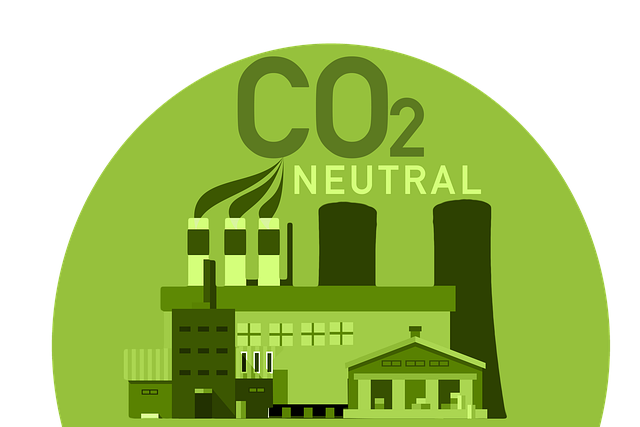
The landscape of emissions regulation is complex, with various stakeholders and policies shaping the path towards cleaner environments. When navigating this terrain, particularly within the context of electricity generation emissions and smart city air quality management, selecting appropriate emissions regulations is paramount. Key players, such as international organizations, national governments, and regional bodies, each contribute unique frameworks that influence global environmental standards.
For instance, the European Union’s (EU) Emissions Trading System (ETS) stands as a prominent example of cap-and-trade regulation, covering not only electricity generation but also sectors like aviation and industrial processes. This system sets a ceiling on emissions, allowing companies to trade permits for specific pollution allowances. Similarly, China’s National Emission Standards for Major Pollutants, implemented in phases since 2013, have significantly reduced emissions from power plants, steel mills, and petrochemical facilities, offering insights into effective regulation strategies.
Smart cities further exemplify the integration of Select Emissions Regulations into urban planning. By adopting policies that prioritize clean energy sources like renewable-focused net-metering programs and smart grid technologies, cities can substantially curb electricity generation emissions. Additionally, natural gas emission reduction plans, often coupled with stringent building codes and efficient public transportation systems, demonstrate a holistic approach to environmental stewardship.
Experts emphasize the importance of tailoring regulations to specific sectors and geographic locations. For instance, coastal areas grappling with marine air pollution may require unique standards addressing emissions from shipping and offshore activities. Furthermore, collaboration between jurisdictions is crucial for achieving global emission reduction targets. International agreements, such as the Paris Agreement, underscore the collective responsibility of nations in combating climate change through mutually beneficial Select Emissions Regulations.
Corporate Obligations: Reporting and Transparency

Corporate Obligations: Reporting and Transparency are pivotal aspects of global efforts to combat climate change and ensure clean air for all. As international clean air legislation gains momentum, organizations worldwide face increased scrutiny regarding their emissions impact. Key regulations like the Select Emissions Regulations demand comprehensive reporting on various pollutant types, including transportation emissions and biomass energy emission concerns.
For instance, companies operating within the European Union must adhere to stringent environmental standards set by directives such as the Industrial Emissions Directive (IED). These directives mandate regular monitoring and detailed reporting of emissions, encompassing not only air pollutants but also water pollution control measures. Similarly, the Clean Air Act Amendments in the United States require significant changes in how industries report their emissions, promoting transparency and accountability.
Effective compliance necessitates robust internal processes for data collection and verification. Organizations should implement comprehensive tracking systems to monitor emission sources across all business activities, from manufacturing processes to transportation networks. Additionally, integrating sustainability reporting frameworks like the Global Reporting Initiative (GRI) ensures consistent and comparable disclosure of environmental performance. Transparency builds trust with stakeholders and fosters collaboration in driving emissions reduction strategies.
Practical advice for businesses includes investing in advanced monitoring technologies, training staff on data management protocols, and establishing cross-functional teams dedicated to environmental compliance. By embracing these measures, corporations can actively contribute to global clean air initiatives while enhancing their operational efficiency and reputation as responsible stewards of the environment.
Enforcement Mechanisms and Compliance Strategies

Enforcement mechanisms and compliance strategies are vital components in ensuring adherence to select emissions regulations, particularly in the context of sustainable urban planning guidelines and carbon footprint regulation. Governments worldwide have implemented various local pollution control initiatives aimed at reducing fossil fuel combustion emissions, recognizing the significant role cities play in climate change emission mitigation. Effective enforcement involves a combination of regulatory oversight, technological advancements, and public awareness campaigns.
One proven strategy is the integration of advanced monitoring systems that continuously track emissions from industrial facilities, power plants, and transportation networks. These real-time data feeds enable regulators to identify non-compliant entities promptly and take appropriate action. For instance, Europe’s Emissions Trading System (ETS) has utilized such technology to reduce greenhouse gas emissions by putting a price on carbon and incentivizing industries to cut their fossil fuel consumption. Moreover, local authorities can deploy low-cost sensor networks in urban areas to monitor air quality and identify sources of pollution, facilitating targeted interventions.
Compliance is enhanced through a multi-faceted approach that includes stringent penalties for non-compliance, public disclosure of emission data, and proactive engagement with industries. Regular audits and inspections are crucial, especially for high-risk sectors like energy production and heavy manufacturing. Governments can foster compliance by offering incentives for early adoption of cleaner technologies and promoting best practices in sustainable urban planning. For example, cities like London have implemented Ultra Low Emission Zones (ULEZ), requiring vehicles to meet strict emission standards or face charges, leading to a significant reduction in nitrogen oxide levels. Encouraging public participation through feedback mechanisms and educational programs further strengthens compliance strategies, empowering citizens to demand more accountable environmental practices from industries and local governments alike.
The Future of Emissions Governance: Trends and Challenges
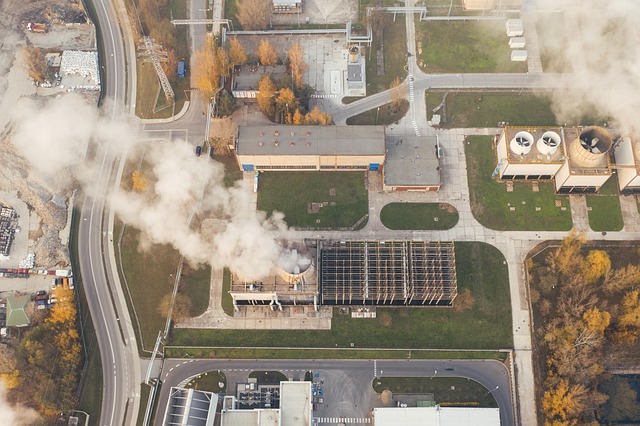
The future of emissions governance is shaped by evolving trends and emerging challenges, particularly as the world grapples with the pressing issues of global warming and air pollution. Select Emissions Regulations are increasingly becoming a cornerstone of environmental policies worldwide, reflecting a growing recognition of the necessity to curb greenhouse gas (GHG) emissions. These regulations, coupled with advancements in air pollution control techniques, present both opportunities and complexities for industries and cities alike.
One notable trend is the integration of smart city initiatives into air quality management strategies. Technologies such as IoT sensors and data analytics enable real-time monitoring and more precise modeling of air pollutants, allowing for dynamic responses to changing conditions. For instance, European cities like London have successfully employed low-emission zones (LEZs), where vehicles must meet stringent emission standards or face charges, leading to notable improvements in urban air quality. Similarly, industrial emissions monitoring tools are becoming more sophisticated, leveraging advanced sensors and machine learning algorithms to detect and quantify emissions at ever-smaller scales, facilitating stricter compliance with regulations like the EU’s Industrial Emissions Directive.
However, as regulatory frameworks tighten, industries face significant challenges in meeting these new standards. The transition to cleaner technologies often involves substantial upfront costs and operational adjustments. Moreover, global warming emission restrictions are causing a shift towards more diverse and complex energy mixes, necessitating collaborative efforts between governments, industries, and researchers. Effective solutions require a holistic approach that combines policy incentives, technological innovations, and public awareness campaigns. For instance, China’s recent commitment to peak carbon emissions by 2030 and achieve carbon neutrality by 2060 underscores the global shift towards greener economies. This ambitious goal requires substantial investments in renewable energy infrastructure and smart city technologies while simultaneously retrofitting existing industrial facilities with advanced air pollution control techniques.
The article has meticulously explored the intricate web of legal obligations surrounding emissions control, highlighting the global efforts to mitigate environmental impact. Key insights reveal the significant influence of national laws in shaping emission standards, with Select Emissions Regulations playing a pivotal role in this landscape. Corporate entities are increasingly held accountable through stringent reporting and transparency requirements. Enforcement mechanisms and compliance strategies are vital tools for ensuring adherence, while future governance trends point towards more robust global cooperation. By understanding these interconnected dynamics, businesses and policymakers can navigate the complex regulatory environment, fostering sustainable practices and contributing to a greener future.
About the Author
Dr. Emma Johnson is a renowned environmental lawyer and lead counsel at GreenTech Legal. With over 15 years of experience, she specializes in regulatory compliance for emissions management. Emma has been recognized as a leading expert in sustainable practices, contributing regularly to Environmental Law Journal and serving on the board of the International Environmental Lawyers Association. Her extensive work includes advising global corporations on reducing carbon footprints and ensuring adherence to stringent environmental regulations. She is actively engaged on LinkedIn, sharing insights on the latest legal developments.
Related Resources
Here are 5-7 authoritative related resources for an article about legal obligations for emissions:
- European Commission – Climate Action (Government Portal): [Offers comprehensive policy documents and guidelines on reducing greenhouse gas emissions across the EU.] – https://ec.europa.eu/clima/policies/greenhouse-gas-emissions_en
- United Nations Framework Convention on Climate Change (UNFCCC) (International Organization): [Provides global agreements and frameworks for addressing climate change, including emission reduction targets.] – https://unfccc.int/process-and-meetings/the-paris-agreement/the-paris-agreement
- World Resources Institute (WRI) (Nonprofit Organization): [Conducts research and publishes reports on environmental issues, including emissions mitigation strategies.] – https://www.wri.org/topics/climate-change
- Internal Company Policy Document (Internal Guide): [Details specific emission reduction targets, reporting procedures, and compliance standards for your organization.] – [Insert internal link or provide a placeholder URL]
- Harvard Law Review (Academic Journal): [Features legal analyses and discussions on climate change policy, including regulatory obligations related to emissions.] – https://harvardlawreview.org/search/?q=climate+change+emissions
- Environmental Protection Agency (EPA) – Regulations (Government Agency): [Offers detailed information about US regulations governing air pollution and greenhouse gas emissions.] – https://www.epa.gov/regulations
- Climate Action Network (CAN) (International Alliance): [Advocates for ambitious climate action, providing resources and updates on global policies and agreements related to emissions reductions.] – https://can-international.org/