

Industries play a pivotal role in addressing global environmental challenges, particularly through emissions and pollution. Select Emissions Regulations are crucial tools for reducing sulfur dioxide and other pollutants, with Europe demonstrating successful implementation. Global warming restrictions are gaining traction, encouraging industries to adopt sustainable practices like alternative fuel standards (e.g., electric vehicles) and innovative technologies (carbon capture, renewable energy). By prioritizing these regulations, integrating clean technologies, and implementing efficient production methods, industries can significantly decrease emissions, enhance environmental reputations, and contribute to global sustainability efforts.
The global industrial sector faces a pressing challenge: reducing its environmental footprint while ensuring sustainable growth. With increasing awareness of climate change impacts, there’s a growing need for eco-friendly solutions across various industries. The current reliance on fossil fuels and resource-intensive processes contributes significantly to greenhouse gas emissions, posing risks not only to the environment but also to long-term economic viability. To address this, we explore innovative strategies that industries can adopt to minimize their ecological impact, including embracing renewable energy sources, implementing efficient manufacturing practices, and adhering to stringent Select Emissions Regulations naturally. This article provides a comprehensive overview of these solutions, highlighting their importance for a greener future.
- Understanding Industry's Environmental Impact: A Foundation for Change
- Adopting Clean Technologies: Innovative Eco-Friendly Strategies
- Implementing Regulations: Select Emissions Controls for Sustainable Future
Understanding Industry's Environmental Impact: A Foundation for Change

Industries play a pivotal role in shaping our planet’s environmental future, and understanding their impact is the first step towards a greener tomorrow. The vast array of industrial activities contributes significantly to global warming, air pollution, and other ecological concerns. For instance, the transportation sector accounts for approximately 25% of carbon dioxide emissions worldwide, while manufacturing processes release various toxic substances, exacerbating environmental degradation. Thus, it’s imperative to lay a solid foundation for change by addressing these industry-related issues head-on.
Select Emissions Regulations naturally form the backbone of many countries’ environmental policies, aiming to curb excessive pollution. These regulations often include renewable energy emission limits, which incentivize businesses to adopt cleaner energy sources like solar and wind power. For instance, several European nations have successfully reduced their carbon footprint by implementing stringent air pollution control techniques, leading to a significant decrease in sulfur dioxide emissions from industrial facilities. Moreover, global warming emission restrictions are becoming the norm, with many industries now required to meet strict environmental standards to minimize their climate impact.
The transition towards more sustainable practices requires collaborative efforts and strategic planning. Industries can significantly reduce their environmental footprint by adopting alternative fuel standards, especially in the transportation sector. This could involve transitioning to electric vehicles (EVs), which emit up to 1/3 less than conventional cars over their lifetime. For instance, many cities are promoting EV adoption through tax incentives and charging infrastructure development. Additionally, industries should explore innovative technologies like carbon capture and storage, helping to mitigate emissions from energy-intensive processes by capturing and storing carbon dioxide instead of releasing it into the atmosphere.
Adopting Clean Technologies: Innovative Eco-Friendly Strategies
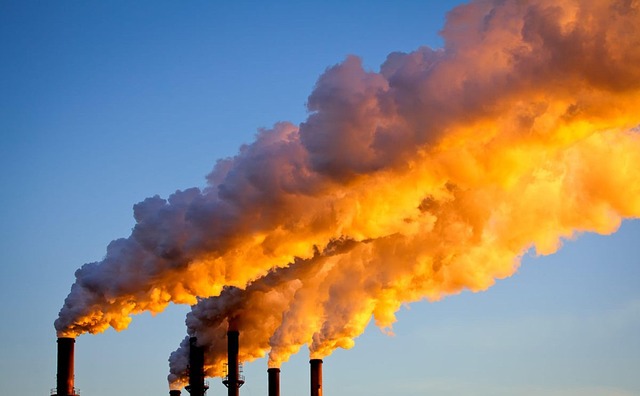
Adopting Clean Technologies offers a powerful toolkit for industries aiming to lead sustainable transformations. This involves embracing innovative eco-friendly strategies that go beyond conventional practices. One of the cornerstones of this approach is prioritizing Select Emissions Regulations, allowing businesses to naturally reduce their environmental impact. By aligning with local pollution control initiatives, companies can significantly contribute to climate change emission mitigation.
For instance, the global shift towards renewable energy sources has seen remarkable progress in electricity generation emissions reduction. According to a recent report by the International Energy Agency (IEA), renewable energy accounted for 29% of global electricity generation in 2021, a substantial increase from previous decades. This trend underscores the effectiveness of voluntary emissions reduction programs, where industries take proactive steps to lower their carbon footprint. As such, businesses can lead by example, adopting technologies like wind and solar power, and investing in energy-efficient infrastructure.
Additionally, smart integration of clean technologies allows for localized pollution control. Industries can implement advanced air filtration systems, water recycling processes, and eco-friendly packaging solutions tailored to their specific operations. For example, manufacturing plants can employ scrubbers and filters to capture and treat emissions at the source. Similarly, transportation companies can electrify fleets, reducing noise pollution and enhancing local air quality. By combining these measures with a commitment to continuous improvement, industries can achieve substantial emission reductions, ensuring sustainability for both current and future generations.
Implementing Regulations: Select Emissions Controls for Sustainable Future

The shift towards a sustainable future demands bold action from industries worldwide. One pivotal strategy involves implementing stringent Select Emissions Regulations to curb harmful pollutants. By adopting these regulations, businesses can play a significant role in achieving global environmental goals and ensuring a healthier planet for generations to come. The strictest emissions standards globally are not just aspirations but necessary steps to mitigate climate change.
Industry leaders must recognize the critical impact of their operations on the environment. For instance, manufacturing sectors often produce substantial greenhouse gas emission caps, particularly from energy-intensive processes. Effective management of these emissions can be achieved through advanced pollution control technologies and efficient production methods. A practical approach involves integrating a robust Pollutant Release Inventory Management system, allowing businesses to track, monitor, and reduce their environmental footprint. This data-driven strategy enables companies to set ambitious emission reduction targets, measure progress, and ensure compliance with the ever-evolving regulatory landscape.
Select Emissions Regulations provide a framework for industries to embrace eco-friendly practices. By embracing these standards, companies can avoid costly penalties, enhance their reputation as responsible stewards of the environment, and contribute to a global movement towards sustainability. Embracing change is no longer an option but a necessity, especially with innovative technologies offering efficient and cost-effective solutions. For instance, many factories are now employing advanced filtration systems, renewable energy sources, and process optimization techniques to achieve significant reductions in pollutant releases, ensuring a cleaner, greener future for all.
By examining industry’s environmental footprint and embracing clean technologies, businesses can play a pivotal role in shaping a sustainable future. The article highlights that understanding the impact of various sectors is the first step towards significant change. Adopting innovative eco-friendly strategies, such as renewable energy sources and efficient practices, offers tangible solutions to reduce the carbon footprint. Furthermore, implementing Select Emissions Regulations serves as a powerful tool to control and minimize environmental damage. Key insights underscore the importance of collaborative efforts between industries, governments, and consumers to drive sustainable transformation. Embracing these measures not only benefits the environment but also fosters economic growth and ensures a resilient future for all.