

Select Emissions Regulations, tailored for specific sectors and pollutants, are crucial in today's digital era for fostering environmental stewardship. These regulations drive the adoption of cleaner technologies and fuels, enabling efficient resource allocation and cost-effective solutions. By implementing sustainable energy practices that include renewable sources, energy efficiency standards, and smart grid technologies, businesses can enhance overall sustainability efforts while navigating complex rules for compliance.
In today’s digital era, the global energy transition towards sustainability is paramount. This guide explores essential components of a sustainable energy standards framework. We delve into understanding the broader context of the global energy shift and defining key practices that underpin a truly green future. Furthermore, we examine strategic approaches to implementing select emissions regulations as a catalyst for this metamorphosis, ensuring a cleaner, more resilient world.
- Understanding Global Energy Transition
- Defining Sustainable Energy Practices
- Implementing Emissions Regulations Selectively
Understanding Global Energy Transition

Defining Sustainable Energy Practices
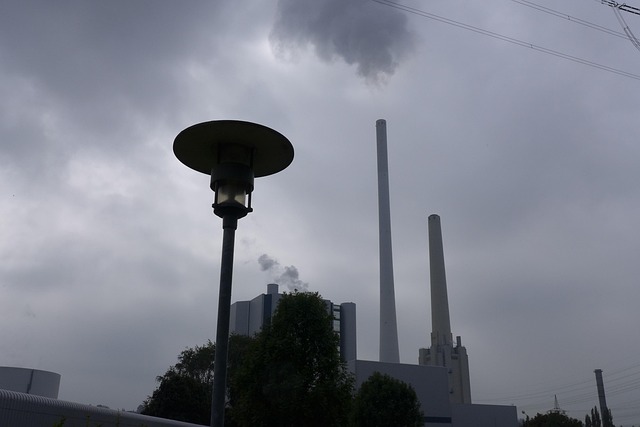
Sustainable energy practices refer to a set of guidelines and measures designed to ensure that energy production and consumption are environmentally responsible, efficient, and reliable. This involves balancing the need for energy with the preservation of natural resources and minimization of environmental impact. Key aspects include adopting renewable energy sources like solar, wind, hydro, and geothermal power; implementing energy efficiency standards for buildings, appliances, and industrial processes; and promoting smart grid technologies that enable real-time monitoring and efficient distribution of electricity.
One critical component of sustainable energy is the selective application of Emissions Regulations, such as those aimed at reducing greenhouse gas emissions from burning fossil fuels. These regulations play a vital role in mitigating climate change by curbing the release of pollutants into the atmosphere. In addition to traditional Emissions Regulations, natural resource conservation laws and natural gas emission reduction plans are integral parts of many sustainable energy strategies. Smart grid emission management systems further enhance these efforts by optimizing energy usage, reducing waste, and integrating renewable sources more effectively into existing infrastructure.
Implementing Emissions Regulations Selectively

Implementing Select Emissions Regulations is a strategic step towards achieving sustainable energy standards. By focusing on specific sectors and pollutants, such as the transportation industry and its auto emissions, these regulations can have a significant impact on air quality. The Clean Air Act Amendments, for instance, have set some of the strictest pollution control regulations, driving the adoption of cleaner technologies and fuels.
This targeted approach, often referred to as green infrastructure for air quality, allows for more efficient resource allocation. It enables governments and industries to implement cost-effective solutions tailored to their unique challenges, contributing to overall emissions reduction strategies. This method also ensures that efforts are concentrated where they can yield the greatest environmental benefits, fostering a cleaner, healthier atmosphere.
As we navigate the global energy transition, adopting sustainable energy practices is no longer an option but a necessity. By defining and implementing Selective Emissions Regulations, we can significantly reduce our carbon footprint and ensure a cleaner, more resilient future. This guide highlights the crucial steps towards achieving these goals, empowering businesses and governments to make informed decisions that will reverberate positively in today’s digital era.