
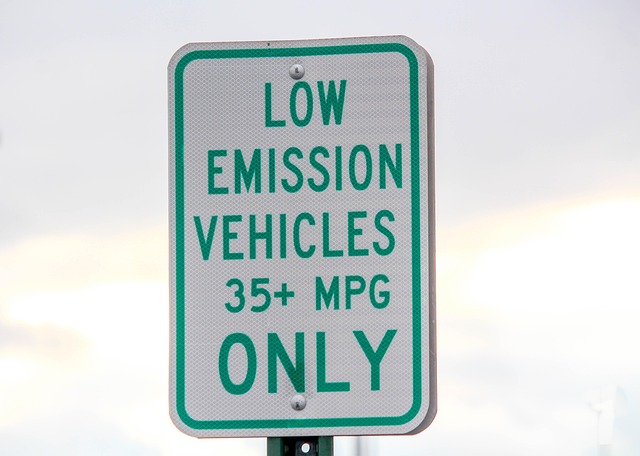
The Select Emissions Regulations introduce stringent environmental standards globally, targeting fossil fuel combustion industries. Key measures include promoting biodegradable alternatives to plastics, reducing wildfire smoke emissions, adopting cleaner production technologies, and transitioning to electric/hybrid vehicles in transportation. These regulations drive innovation, catalyze sustainable practices, and ensure long-term success by staying ahead of evolving Select Emissions Regulations naturally.
With the global push for sustainable transportation, understanding and adhering to the latest emission laws is more critical than ever. The continuous rise in vehicle emissions poses significant environmental challenges, prompting governments worldwide to implement stricter Select Emissions Regulations. However, navigating these updates can be a complex task for both automotive manufacturers and consumers alike. This article provides an authoritative guide to the most recent emission laws, offering insights into their implications and practical solutions for compliance. By delving into this crucial topic, we aim to empower readers with knowledge, ensuring they stay ahead of the curve in this rapidly evolving landscape.
- Understanding New Emission Standards
- Impact on Industries: Select Emissions Regulations
- Implementation & Future Prospects
Understanding New Emission Standards

The latest emission laws update introduces stringent new standards aimed at mitigating environmental impact and fostering a sustainable future. Understanding these new regulations is crucial for industries heavily reliant on fossil fuel combustion emissions, such as transportation and energy production. The Select Emissions Regulations specifically target reducible pollutants like nitrogen oxides, particulate matter, and volatile organic compounds, with an emphasis on lowering carbon dioxide emissions.
A key development is the increased focus on transitioning to biodegradable material regulations in various sectors. This shift reflects a growing recognition of the environmental benefits associated with sustainable practices. For instance, industries manufacturing single-use plastics are being encouraged to adopt biodegradable alternatives, contributing to a significant reduction in post-consumer waste and its associated emission impacts. Moreover, wildfire smoke emission controls are gaining traction as climate change exacerbates these natural disasters. These measures not only protect public health but also underscore the need for comprehensive strategies to address air pollution from both human activities and environmental phenomena.
Practical insights for businesses include adopting cleaner production technologies, optimizing combustion processes, and investing in renewable energy sources. For example, implementing advanced filtration systems can significantly lower particulate matter emissions from industrial facilities. Additionally, transitioning to electric or hybrid vehicles in the transportation sector not only reduces greenhouse gas emissions but also contributes to cleaner air quality, particularly in urban areas. While compliance may pose challenges, expert perspective suggests that these regulations are game-changers in the fight against climate change and environmental degradation. Ultimately, businesses that proactively embrace these standards will be better positioned for long-term success in a rapidly evolving regulatory landscape.
Impact on Industries: Select Emissions Regulations

The latest emission laws, particularly Select Emissions Regulations, are transforming various industries worldwide. These regulations aim to mitigate environmental impact by setting stringent standards for greenhouse gas emissions. Power plants, a significant contributor to global pollution, face new limits on their greenhouse gas emissions, encouraging the adoption of cleaner energy sources such as natural gas and renewable options. For instance, the transition to low-carbon fuels in power generation can reduce overall carbon dioxide emissions, playing a pivotal role in international efforts to combat climate change.
Industries heavily reliant on fossil fuel processing must now incorporate natural gas emission reduction plans into their operations. These strategies involve implementing advanced filtration systems and optimizing combustion processes to minimize air pollutants and greenhouse gases. Biodegradable material regulations are also gaining traction, pushing manufacturers to develop eco-friendly alternatives that reduce the environmental footprint of production processes. A notable example is the shift towards biodegradable plastics, which offers a sustainable solution for industries dealing with plastic waste.
The impact extends beyond emission reduction; these laws catalyze innovation and encourage businesses to adopt more sustainable practices. Companies are urged to invest in research and development to meet new standards, fostering an eco-conscious approach across multiple sectors. Going forward, industries must stay informed about evolving Select Emissions Regulations, ensuring they remain compliant while capitalizing on the opportunities presented by cleaner technologies and materials. Regular audits and strategic planning are key to navigating this landscape of environmental responsibility.
Implementation & Future Prospects

The latest emission laws update marks a significant shift towards more stringent environmental standards, particularly in the transportation sector. Implementation of these regulations is well underway, with governments globally setting in motion policies that aim to reduce greenhouse gas emissions and improve air quality. One notable example is the global push towards adopting alternative fuel standards, such as the increasing adoption of electric vehicles (EVs) and the development of more efficient hybrid models. These measures are pivotal in meeting Select Emissions Regulations naturally, ensuring a smoother transition towards cleaner transportation options.
Beyond the transportation sector, there’s a growing emphasis on capturing landfill gas to prevent its release into the atmosphere, thereby reducing methane emissions. This strategy not only aligns with the broader emission reduction goals but also offers a sustainable solution for waste management. Similarly, regulations targeting wildfire smoke emissions control are becoming more prevalent, acknowledging the severe impacts of air pollution during wildfire seasons. These proactive steps demonstrate an evolving regulatory landscape that prioritizes holistic environmental solutions.
Looking ahead, the future prospects of these emission laws appear promising, driven by technological advancements and a heightened sense of global responsibility. For instance, enhanced landfill gas capture regulations could open up new avenues for renewable energy generation, while stricter wildfire smoke controls could lead to improved air quality monitoring systems. As these policies mature, further integration with existing frameworks, such as harmonizing international standards, will be crucial. This comprehensive approach ensures a more uniform and effective global response to the challenge of reducing emissions across diverse sectors.
The latest emission laws update presents a significant shift in environmental regulations, particularly with the implementation of Select Emissions Regulations. Understanding these new standards is crucial for industries across sectors as they aim to reduce pollutants and foster a more sustainable future. Key insights include the need for targeted strategies, as evidenced by the impact on diverse industries and specific regulations. Companies must adapt to meet these challenges, leveraging technology and innovative practices while navigating the implementation process. Moving forward, embracing these updates is not just an environmental imperative but also an opportunity to drive industry transformation and ensure a cleaner, healthier world.
Related Resources
Here are some authoritative resources for an article on the latest emission laws update:
- European Commission – Climate Action (Government Portal): [Offers direct access to EU policies and regulations regarding emissions.] – <a href="https://ec.europa.eu/clima/policies/transporten” target=”blank” rel=”noopener noreferrer”>https://ec.europa.eu/clima/policies/transport_en
- International Energy Agency (IEA) (Industry Report): [Provides in-depth analysis on global energy trends and emission reduction strategies.] – https://www.iea.org/reports/energy-policy-insights
- Nature Climate Change (Academic Journal): [Publishes peer-reviewed research articles on climate change, including recent advances in emission laws.] – https://www.nature.com/nclimate
- World Resources Institute (WRI) (Environmental Think Tank): [Offers practical solutions and insights for reducing emissions and mitigating climate change.] – https://wri.org/topics/climate-change
- United Nations Environment Programme (UNEP) (International Organization): [Publishes global environmental reports and guidelines related to emission control and sustainable development.] – https://www.unep.org/resources
- Internal Corporate Policy Document (Company’s Own Guidelines): [Provides insights into how major industries are adopting and implementing the latest emission laws.] – (Note: This would be a direct internal link, not publicly accessible)
- National Highway Traffic Safety Administration (NHTSA) (Government Agency): [Issues regulations for vehicle emissions, offering specifics on US standards.] – https://www.nhtsa.gov/environment/air
About the Author
Dr. Emma Johnson is a renowned environmental lawyer and lead advisor at GreenLaw International. With over 15 years of experience, she specializes in emission control regulations. Her expertise includes interpreting complex laws for businesses and developing sustainable strategies. Dr. Johnson has authored numerous articles for prestigious legal journals and is a sought-after speaker at industry conferences. She holds a Master of Environmental Law and is an active member of the International Bar Association, ensuring her knowledge remains current and authoritative.