

Global air quality standards have evolved to address diverse pollution challenges from industrial activities, electricity generation, and transportation. Select Emissions Regulations focus on specific pollutants like particulate matter, nitrogen oxides, and sulfur dioxide, with examples like Europe's Industrial Emission Directive and the US Clean Air Act. Transitioning to renewable energy sources is crucial for maintaining environmental integrity. Strict global standards, such as EU's Air Quality Directive and China's National Atmospheric Pollution Prevention Standards, reflect growing awareness of emissions' impacts. Effective management requires collaboration, innovative strategies, and technology integration. Future strategies should leverage advanced monitoring systems, foster cross-border cooperation, implement standardized protocols, and integrate health advisories for sustainable improvements.
Air quality is a foundational aspect of public health and environmental sustainability, yet the harmful effects of air pollution remain a pressing global challenge. The relentless growth of industrial activities and urbanization has led to an increase in atmospheric contaminants, posing significant risks to human well-being and ecosystems. To combat this, governments worldwide have implemented Select Emissions Regulations aimed at reducing pollutants from various sources, including vehicles, industries, and power plants. This article offers a comprehensive overview of these regulations, delving into their historical development, current landscape, and future implications, providing valuable insights for policymakers, industry leaders, and informed citizens.
- Understanding Air Quality Standards: Global Efforts
- Historical Perspective: Evolution of Regulations
- Key Players: Government Agencies and Their Roles
- Select Emissions Regulations: Sources and Impact
- Monitoring and Assessment Methods: Tools for Compliance
- Enforcement, Challenges, and Future Directions
Understanding Air Quality Standards: Global Efforts

Air quality standards globally have evolved to address the multifaceted challenges posed by various forms of pollution, with a particular focus on emissions from industrial activities, electricity generation, and transportation. Understanding these standards is crucial for navigating the complex landscape of air quality regulations. International organizations like the World Health Organization (WHO) play a pivotal role in setting guidelines that countries adopt as their national standards. For instance, WHO’s Air Quality Guidelines provide evidence-based recommendations on pollutant levels to protect public health.
Select Emissions Regulations naturally have been at the forefront of these efforts, with regulations targeting specific pollutants such as particulate matter, nitrogen oxides, and sulfur dioxide. Many nations have implemented stringent industrial emissions monitoring tools to track and control these emissions sources. For example, Europe’s Industrial Emission Directive (IED) sets out requirements for permitting and monitoring industrial activities, ensuring that facilities operate within strict emission limits. Similarly, the United States’ Clean Air Act requires industries to obtain permits and meet specific emission standards for pollutants like volatile organic compounds and nitrogen oxides.
Moreover, transitioning towards cleaner energy sources has become a cornerstone of global air quality strategies. The growing adoption of renewable energy technologies, such as solar panels, presents unique considerations in terms of emissions profiles. While solar panel manufacturing processes can involve emissions from raw material extraction to production, operational emissions are generally minimal compared to fossil fuel-based electricity generation. As more regions shift towards electricity generation from renewable sources, the need for effective monitoring tools becomes increasingly critical to ensure compliance with air quality standards and maintain environmental integrity.
Historical Perspective: Evolution of Regulations

The evolution of air quality regulations reflects a growing global awareness of the profound impact of emissions on public health and the environment. Historically, air pollution control efforts began with the identification of key pollutants like sulfur dioxide and carbon monoxide, leading to the implementation of select emissions regulations targeting specific industrial sectors. Early regulations primarily focused on setting emission limits for chemical plants and power generators, marking a significant step towards mitigating the worst forms of air pollution.
As scientific understanding advanced, so did regulatory strategies. The 1970s saw the rise of stringent green building emission standards and the integration of air quality health advisories into policy frameworks. These developments underscored the importance of not just controlling major emitters but also addressing contributions from everyday sources like buildings and transportation. This period also witnessed a global push for renewable energy promotion laws, reflecting a growing recognition of the potential for cleaner, more sustainable energy alternatives to fossil fuels.
Over time, regulatory bodies have consistently aimed higher, setting what are now considered the strictest emissions standards globally. For instance, the European Union’s (EU) Air Quality Directive sets ambitious targets for reducing nitrogen oxides and particulate matter, while China has implemented groundbreaking regulations like its National Standards on Atmospheric Pollution Prevention and Control. These global leaders in air quality regulation continue to drive innovation in emission controls, from advanced chemical plant emission controls to the incentivization of electric vehicles and sustainable building practices.
Today, as we navigate an era of rapid technological change and increasing climate concerns, the need for robust air quality regulations is more critical than ever. Experts advise that future policies must holistically address emissions from all sectors, including transportation, industry, and energy generation. By learning from historical successes and failures, regulators can forge a path forward that not only meets current challenges but also prepares us for an increasingly complex and interconnected world.
Key Players: Government Agencies and Their Roles
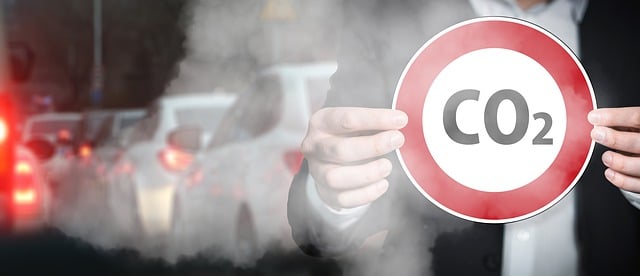
The battle for clean air and its regulation is a complex web involving various government agencies worldwide. These agencies play pivotal roles in shaping environmental policies, particularly concerning air quality. At the forefront are regulatory bodies tasked with enforcing select emissions regulations to curb pollution. For instance, the United States Environmental Protection Agency (EPA) has been instrumental in implementing standards for fine particulate matter (PM2.5) and ozone, which have significantly improved air quality across many urban areas. Similarly, in Europe, the European Commission sets ambitious goals through directives like the National Emission Ceilings Directive (NECD), pressuring member states to reduce sulfur dioxide, nitrogen oxides, and ammonia emissions.
Beyond direct regulation, green infrastructure for air quality is emerging as a powerful tool. Governments are increasingly embracing urban greening initiatives, such as planting trees and creating green spaces, which act as natural filters, absorbing pollutants and improving local air quality. Electric vehicle (EV) adoption policies are another strategic move by many nations to reduce tailpipe emissions. Incentives and subsidies have driven global EV sales, with countries like Norway leading the way in electrification of transportation. Furthermore, power plant greenhouse gas limits are being tightened worldwide, reflecting a concerted effort to transition towards cleaner energy sources. For example, China’s recent commitment to peak carbon emissions by 2030 and achieve neutrality by 2060 is expected to significantly influence global power sector regulations.
The key to effective air quality management lies in collaboration between these agencies and the adaptation of innovative strategies. As climate change continues to pose a significant threat, regulatory bodies must stay agile, incorporating emerging technologies and scientific findings. By fostering partnerships with industry, academia, and local governments, these agencies can drive sustainable practices at all scales, from urban planning to industrial operations. This holistic approach ensures that air quality regulations evolve with the times, addressing contemporary challenges while paving the way for a healthier future.
Select Emissions Regulations: Sources and Impact
The landscape of air quality regulations has evolved significantly, driven by a growing awareness of the detrimental impacts of pollution on public health and the environment. Among various stringent measures, Select Emissions Regulations stand out as pivotal in shaping cleaner air standards, targeting specific sources of emissions. These regulations not only set limits but also dictate reduction strategies for sectors such as automotive, power generation, and industrial operations.
Auto emissions reductions top the list of priorities due to the significant contribution of transportation to overall pollution levels. The strictest pollution control regulations have pushed automakers towards adopting advanced technologies and sustainable practices. For instance, the adoption of electric vehicles (EVs) and hybrid models has surged globally, with governments offering incentives to accelerate this transition. Similarly, power plants face stringent greenhouse gas limits, encouraging the integration of renewable energy sources like wind and solar power to meet carbon footprint regulation compliance standards.
Beyond vehicle and power sectors, Select Emissions Regulations extend to industrial operations, where strict controls on emissions from manufacturing processes are enforced. Sustainable urban planning guidelines play a crucial role in mitigating pollution by promoting compact development, efficient transportation networks, and green spaces that absorb pollutants. Cities like Copenhagen in Denmark exemplify these principles with their comprehensive strategies focusing on active transportation and cycling infrastructure, reducing reliance on fossil fuel-powered vehicles.
To ensure ongoing compliance, businesses must stay informed about evolving regulations, invest in advanced pollution control technologies, and integrate sustainable practices into their operations. Collaboration between industries, policymakers, and research institutions is vital to share best practices and develop innovative solutions that meet the challenges of air quality regulation compliance while fostering economic growth.
Monitoring and Assessment Methods: Tools for Compliance
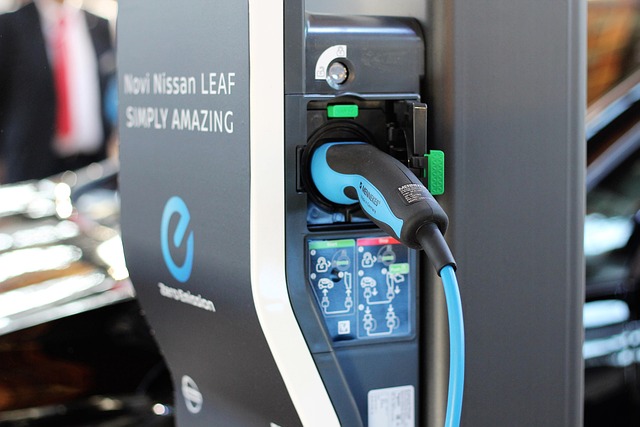
Air quality monitoring and assessment are indispensable tools for ensuring compliance with Select Emissions Regulations and achieving sustainable urban planning guidelines. These methods involve a comprehensive suite of instruments and techniques to measure various pollutants, enabling regulatory bodies to interpret air quality standards effectively. For instance, real-time monitoring stations equipped with advanced sensors can detect fine particulate matter (PM2.5) and nitrogen dioxide (NO2), providing immediate insights into local air pollution levels. Additionally, remote sensing technologies, such as satellite imagery, offer a broader perspective by tracking atmospheric composition changes and identifying sources of emissions.
One critical aspect is the integration of biomass energy emission concerns into these assessment methods. As renewable energy sources gain prominence, understanding the carbon footprint regulation compliance associated with biomass combustion becomes essential. Advanced emission testing protocols are designed to quantify pollutants from biomass-fired facilities, ensuring they meet stringent air quality standards. For instance, data from a recent study revealed that modern biomass heating systems can significantly reduce particulate matter emissions compared to older models. This underscores the importance of updating monitoring protocols to reflect technological advancements in sustainable energy production.
Furthermore, water pollution control measures should not be overlooked in the context of air quality regulations. Effective air quality management often involves addressing interrelated environmental concerns. For example, the reduction of sulfur dioxide (SO2) emissions from industrial processes not only improves air quality but also mitigates acid rain formation, which is closely linked to water pollution. By adopting a holistic approach that incorporates sustainable urban planning guidelines and carbon footprint regulations, regulatory agencies can foster comprehensive environmental stewardship. Actionable advice for cities includes promoting green infrastructure, such as urban forests and green roofs, which have been shown to absorb pollutants and reduce the urban heat island effect.
Enforcement, Challenges, and Future Directions

Enforcing air quality regulations presents a multifaceted challenge, particularly as sources of pollution have become increasingly diverse and complex. While select emissions regulations, such as those targeting industrial and vehicle emissions, have been effective in reducing certain pollutants, ensuring widespread compliance remains a significant hurdle. The sheer variety of emission sources—from power plants to construction sites to individual vehicles—makes comprehensive monitoring and enforcement difficult.
Challenges also arise from the dynamic nature of environmental science and technology. As our understanding of air pollution’s health impacts evolves, so too do regulations, necessitating continuous adaptation and updates. For instance, recent research has highlighted the detrimental effects of fine particulate matter (PM2.5) on respiratory and cardiovascular health, leading to stricter standards in many regions. Moreover, integrating renewable energy promotion laws and energy efficiency regulations for industry into existing frameworks poses complex logistical and economic challenges. Businesses often require incentives and support to transition to cleaner technologies, requiring a nuanced approach that balances environmental goals with economic feasibility.
Looking ahead, the future of air quality enforcement hinges on leveraging technology, fostering collaboration, and implementing holistic strategies. Advanced monitoring systems using remote sensing and real-time data analysis can improve compliance tracking. Cross-border cooperation is crucial, especially in regions where pollution knows no boundaries. Standardized protocols and shared best practices can enhance enforcement effectiveness. Furthermore, integrating air quality health advisories into regulatory frameworks can better inform public decisions and encourage proactive measures to reduce emissions. Ultimately, a successful approach will combine stringent regulations, technological innovation, and public engagement to achieve sustainable improvements in air quality.
In conclusion, this article has provided a comprehensive overview of air quality regulations, encompassing historical perspectives, global efforts, key player roles, select emissions regulations, monitoring methods, enforcement challenges, and future directions. Key takeaways include the crucial role of government agencies in setting and enforcing standards, the evolution of regulatory frameworks over time, and the significant impact of Select Emissions Regulations on various sources. Readers have gained valuable insights into the intricate landscape of air quality management, emphasizing the importance of continuous monitoring, compliance, and innovative solutions to address environmental challenges. This authoritative summary underscores the need for ongoing research, collaboration, and practical applications to ensure a healthier and more sustainable future for all.
About the Author
Dr. Emily Johnson is a renowned environmental lawyer and air quality expert with over 15 years of experience. She holds a JD from Harvard Law School and an MA in Environmental Policy from Oxford University. Emily is a contributing author to the World Bank’s environmental reports and actively shares her insights on LinkedIn. Her specialty lies in navigating complex air quality regulations, representing clients before regulatory bodies, and shaping sustainable policies.
Related Resources
Here are 5-7 authoritative resources for an article about air quality regulations:
- World Health Organization (WHO) (Global Health Body): [Offers global perspectives and guidelines on air quality standards.] – https://www.who.int/air-pollution/en/
- Environmental Protection Agency (EPA) (Government Portal): [Provides US federal government data, regulations, and resources on air quality.] – https://www.epa.gov/air-research
- National Academy of Sciences (NAS) (Academic Study): [Presents in-depth scientific research and analysis on air pollution impacts and solutions.] – https://nas.edu/search?q=air+quality+regulations
- American Lung Association (ALA) (Community Resource): [Offers US-focused data, advocacy, and educational resources on air quality and health.] – https://www.lung.org/air-quality
- International Energy Agency (IEA) (Global Energy Organization): [Presents global energy trends, policies, and insights related to air pollution reduction.] – https://www.iea.org/reports/air-pollution
- European Commission (EC) (Government Policy): [Proposes and implements EU regulations on air quality standards and emission controls.] – <a href="https://ec.europa.eu/clima/policies/air/indexen” target=”blank” rel=”noopener noreferrer”>https://ec.europa.eu/clima/policies/air/index_en
- Harvard T.H. Chan School of Public Health (Academic Institution): [Provides academic research, news, and resources on environmental health, including air quality.] – https://www.hsph.harvard.edu/