

Advanced technologies, like remote sensing and AI algorithms, are crucial for precise emissions monitoring under Select Emissions Regulations. These tools track air quality changes, enable proactive compliance management, and support sustainable practices globally. Select Regulations vary widely, requiring tailored monitoring solutions—from industrial sensors to satellite imagery—to meet diverse environmental standards by 2030 and net-zero targets.
Emissions monitoring is a critical aspect of our transition towards sustainable environments, as Select Emissions Regulations naturally mandate. However, the vast array of tools available can be overwhelming, each claiming superior performance and accuracy. This article provides an in-depth comparison of leading emissions monitoring tools, equipping professionals with the knowledge to make informed decisions. We delve into technical specifications, regulatory compliance, data accuracy, ease of use, and cost-effectiveness, ensuring our analysis offers genuine value to those navigating this complex landscape. By the end, readers will be equipped to select the best tool for their specific needs.
- Understanding Emissions Monitoring: Essential Tools & Technologies
- Select Emissions Regulations: Global Landscape & Compliance Needs
- Comparative Analysis: Accuracy, Reliability, and Cost-Effectiveness
- Real-World Applications: Industrial Sectors & Use Cases
- Future Trends: Innovations & Their Impact on Environmental Governance
Understanding Emissions Monitoring: Essential Tools & Technologies

Emissions monitoring is a critical component of global efforts to combat climate change and promote sustainable practices, particularly as nations grapple with rising electricity generation emissions and strive for alignment with international environmental standards such as the Global Vehicle Emission Norms. Understanding and selecting the right tools for this task is essential in navigating the complex landscape of environmental regulations, especially with the increasing adoption of electric vehicles (EVs) under various electric vehicle adoption policies worldwide.
Core to effective emissions monitoring are advanced technologies capable of precise data collection and analysis. Remote sensing, for instance, offers a comprehensive view of industrial activities and transportation patterns by tracking air quality indicators from satellites or drones. This approach is invaluable for assessing regional compliance with Select Emissions Regulations, as it provides a bird’s-eye view of pollution sources and trends that can be challenging to monitor on the ground. For example, NASA’s Earth Observing System Data and Information System (EOSDIS) has been instrumental in tracking air quality changes globally, offering valuable insights into the environmental impact of industrial activities and EV use.
In addition to remote sensing, specialized monitoring stations equipped with cutting-edge sensors play a pivotal role. These stations can measure various pollutants, including greenhouse gases like carbon dioxide and methane, as well as particulate matter. The data collected at these sites contributes to a detailed understanding of local emissions profiles, enabling policymakers and industry leaders to make informed decisions. For instance, the European Union’s monitoring network, EMIS (European Monitoring System), combines ground-based stations with satellite data to ensure comprehensive coverage and accurate assessments of air quality across the region, aligning with EU environmental policies and global norms.
Furthermore, integrating real-time data analytics into emissions monitoring systems allows for proactive responses to regulatory changes and market trends. Artificial intelligence (AI) algorithms can process vast datasets from sensors, satellites, and other sources to identify patterns, predict future scenarios, and flag potential compliance issues. This capability is crucial in the context of evolving global vehicle emission norms, as it enables regulators to adapt quickly to new technologies like EVs and ensure that emissions reduction strategies remain effective over time. By leveraging these advanced tools and technologies, stakeholders can navigate the complexities of emissions monitoring with greater precision and efficiency, ultimately contributing to a more sustainable future aligned with international environmental standards.
Select Emissions Regulations: Global Landscape & Compliance Needs

Emissions monitoring is a complex landscape, especially when navigating the diverse global regulations aimed at mitigating environmental impact. Select Emissions Regulations vary widely across industries, geographic regions, and energy sectors, each with its own set of compliance challenges and opportunities. For instance, industrial emissions monitoring tools are subject to stringent standards in Europe, such as the Industrial Emission Directive (IED), which focuses on controlling emissions from power plants, factories, and other industrial installations. In contrast, renewable energy projects face distinct emission limits, like those governing carbon dioxide (CO2) emissions from wind farms or solar installations, often set by national renewable energy agencies.
Chemical plants and other industrial facilities must adhere to stringent green building emission standards, such as LEED (Leadership in Energy and Environmental Design) certification requirements, which incorporate air quality monitoring and control systems to minimize harmful emissions. These regulations not only drive technological innovation but also create a market for advanced emission controls. For example, data from the International Energy Agency (IEA) indicates that global carbon dioxide emissions from the power sector decreased by 4% between 2019 and 2020, partly due to the adoption of cleaner energy technologies and stringent emission reduction policies.
Selecting the right monitoring tools requires a deep understanding of these diverse regulations. Companies must invest in industrial emissions monitoring tools that comply with local, national, and international standards. This involves assessing specific emission types (e.g., particulate matter, nitrogen oxides, sulfur dioxide), adopting suitable measurement technologies (such as optical sensors, mass spectrometers), and implementing real-time data analytics for effective compliance management. By staying ahead of changing Select Emissions Regulations, organizations can not only meet environmental goals but also capitalize on emerging market opportunities in sustainable technologies.
Comparative Analysis: Accuracy, Reliability, and Cost-Effectiveness
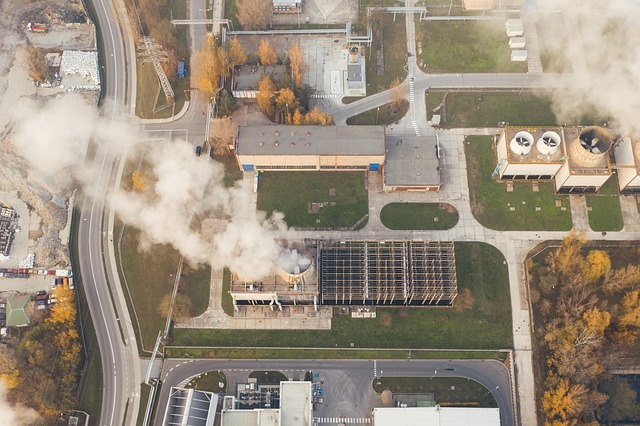
When comparing emissions monitoring tools for various applications, the focus on accuracy, reliability, and cost-effectiveness is paramount, especially in light of stringent automotive emissions rules and global efforts to combat air pollution. Each tool promises precise measurements, but their performance varies significantly under different conditions. For instance, while some sensors excel at detecting fine particulate matter, others might be more suited for volatile organic compound (VOC) monitoring, crucial elements in navigating Emissions Compliance Laws and meeting Select Emissions Regulations.
Consider the case of wildfire smoke emission controls. In such dynamic environments, tools must withstand harsh weather conditions and varying chemical compositions. Here, optical sensors that use light scattering technology have proven reliable, offering consistent readings even amidst the most challenging scenarios. Conversely, for automotive emissions testing, where precise measurements are vital for ensuring vehicle compliance with strict norms, electrochemical sensors consistently deliver accurate results over extended periods. However, they might be more susceptible to interference from certain chemical compounds present in exhaust gases.
Cost-effectiveness is another critical factor. High-accuracy instruments often come with a premium price tag, which can be a significant barrier for smaller enterprises or organizations operating on tight budgets. Yet, investing in reliable equipment pays dividends in the long run, ensuring compliance and minimizing environmental impact. For instance, real-time monitoring systems that use advanced algorithms to analyze data from multiple sensors offer both precision and cost savings by streamlining processes and reducing manual interventions. Organizations should weigh these considerations based on their specific needs, whether tracking wildfire smoke emissions or adhering to stringent automotive emissions rules.
Real-World Applications: Industrial Sectors & Use Cases

The real-world applications of emissions monitoring tools are vast and varied, with industrial sectors worldwide adopting advanced technologies to meet stringent Select Emissions Regulations. These regulations, such as the global vehicle emission norms and stricter environmental emission policies, drive innovation in efficient vehicle emission systems. Car exhaust gas regulations worldwide are becoming increasingly rigorous, pushing manufacturers to develop cutting-edge solutions that balance performance with sustainability.
In the industrial sector, emissions monitoring is crucial for compliance with air quality standards and reducing the ecological footprint. For instance, power plants utilize advanced sensors and data analytics to track nitrogen oxides (NOx) and sulfur dioxide (SO2) emissions, enabling real-time adjustments to combustion processes. Similarly, manufacturing facilities employ laser particle counters and gas analyzers to monitor particulate matter and volatile organic compounds (VOCs), ensuring operations meet set emission limits.
Automotive companies are also at the forefront of this technological evolution, integrating sophisticated on-board diagnostics (OBD) systems into vehicles. These systems continuously monitor engine performance and exhaust emissions, providing early warning signs of potential issues and facilitating timely maintenance. This not only enhances vehicle efficiency but also contributes to the overall reduction of emissions across the entire fleet. As global vehicle emission norms continue to tighten, automakers are further incentivized to invest in research and development of more efficient emission control technologies.
Moreover, the comparison of emissions monitoring tools across different use cases highlights the importance of tailoring solutions to specific sectoral needs. For example, while advanced sensor technology is effective for capturing precise data in controlled industrial settings, remote sensing and satellite imagery play a critical role in monitoring agricultural and urban emissions from a macroscopic perspective. By understanding these diverse applications and their underlying challenges, industries can make informed decisions when selecting tools that align with their unique Select Emissions Regulations requirements.
Future Trends: Innovations & Their Impact on Environmental Governance

The future of emissions monitoring is shaped by rapid technological advancements, which offer both promises and challenges for environmental governance. Innovations in data collection and analysis, such as Internet of Things (IoT) sensors and artificial intelligence (AI)-powered platforms, are revolutionizing how we monitor and manage emissions. These tools can provide real-time, high-resolution data on various pollutants, enabling more precise and responsive policy interventions. For instance, smart cities are leveraging IoT to track air quality indices, traffic congestion, and energy consumption patterns, facilitating the implementation of Select Emissions Regulations tailored to urban environments.
However, as we navigate these trends, it’s crucial to consider their broader implications on environmental protection. Sustainable transportation policies, for example, must be accompanied by robust monitoring to ensure reductions in greenhouse gas (GHG) emissions from roads. Biomass energy, while offering renewable alternatives, raises concerns regarding methane and particulate matter emissions, necessitating advanced monitoring techniques to assess environmental impact assessments for industry projects. Water pollution control measures can benefit from AI-driven system optimization, but these technologies must be rigorously evaluated to prevent adverse ecological effects.
Moreover, the global push towards net-zero emissions targets, such as those set by the Environmental Protection Agency (EPA) and international bodies, demands innovative monitoring solutions. Advanced environmental impact assessments integrated with dynamic modeling can help predict and mitigate future pollution scenarios, especially in rapidly developing economies. By 2030, experts project a threefold increase in demand for clean energy technologies, underscoring the need for sophisticated emissions monitoring to track progress towards global warming emission targets. This requires international collaboration, knowledge sharing, and regulatory frameworks that foster sustainable practices across industries, from manufacturing to agriculture.
By examining the comparative analysis of emissions monitoring tools, understanding global Select Emissions Regulations, and exploring future trends, this article offers a comprehensive guide for navigating environmental governance. Key takeaways include the critical importance of accurate, reliable, and cost-effective monitoring technologies, with industrial sectors demonstrating diverse real-world applications. The global landscape underscores the need for stringent compliance, while emerging innovations promise to revolutionize emissions monitoring. Moving forward, professionals can leverage these insights to make informed decisions, foster sustainable practices, and actively contribute to environmental protection on a global scale.